
When it comes to buying or maintaining a property, understanding the inspection process can feel overwhelming. I’ve been there myself, wondering what exactly happens during an inspection and how it all works. That’s why I want to walk you through the process behind TPI inspections, breaking it down step-by-step. My goal is to give you clear, practical insights so you feel confident and informed every step of the way.
Why Inspection Procedure Clarity Matters
Knowing what to expect during an inspection is more than just a comfort—it’s essential. When you understand the procedure, you can prepare better, ask the right questions, and make smarter decisions about your property. Whether it’s a home, commercial building, or investment property, clarity in the inspection process helps avoid surprises and builds trust.
For example, when I first had a property inspected, I didn’t realize how thorough the inspector would be. I thought it was just a quick look around. But the detailed report I received highlighted issues I never would have noticed on my own. That experience taught me the value of a clear, step-by-step inspection procedure.
What Happens During a TPI Inspection Procedure Clarity
The inspection process is designed to be thorough and transparent. Here’s a general overview of what you can expect:
Scheduling and PreparationOnce you book your inspection, the team will confirm the date and time. It’s helpful to prepare by making sure the property is accessible and any pets are secured. You might also want to jot down any specific concerns you have.
Arrival and IntroductionThe inspector will arrive on time and introduce themselves. This is a great moment to ask any initial questions or share your concerns. They’ll explain the scope of the inspection and what areas will be covered.
Exterior InspectionThe inspector starts outside, checking the roof, gutters, siding, foundation, and drainage. They look for signs of damage, wear, or potential problems like cracks or water pooling.
Interior InspectionInside, the focus shifts to walls, ceilings, floors, windows, doors, and the condition of major systems like plumbing, electrical, and HVAC. The inspector tests appliances and checks for safety issues.
Detailed ReportingAfter the inspection, you’ll receive a comprehensive report. This includes photos, descriptions of any issues, and recommendations for repairs or further evaluation. The report is written in clear language, so you don’t need to be an expert to understand it.
Follow-Up and QuestionsGood inspectors encourage follow-up questions. If anything in the report is unclear, you can reach out for explanations or advice on next steps.
This process ensures you get a full picture of the property’s condition, helping you make informed decisions.

Tools and Techniques Used in Inspections
You might wonder how inspectors find hidden problems that aren’t obvious to the untrained eye. The answer lies in the tools and techniques they use. Modern inspections combine traditional methods with technology to provide a thorough assessment.
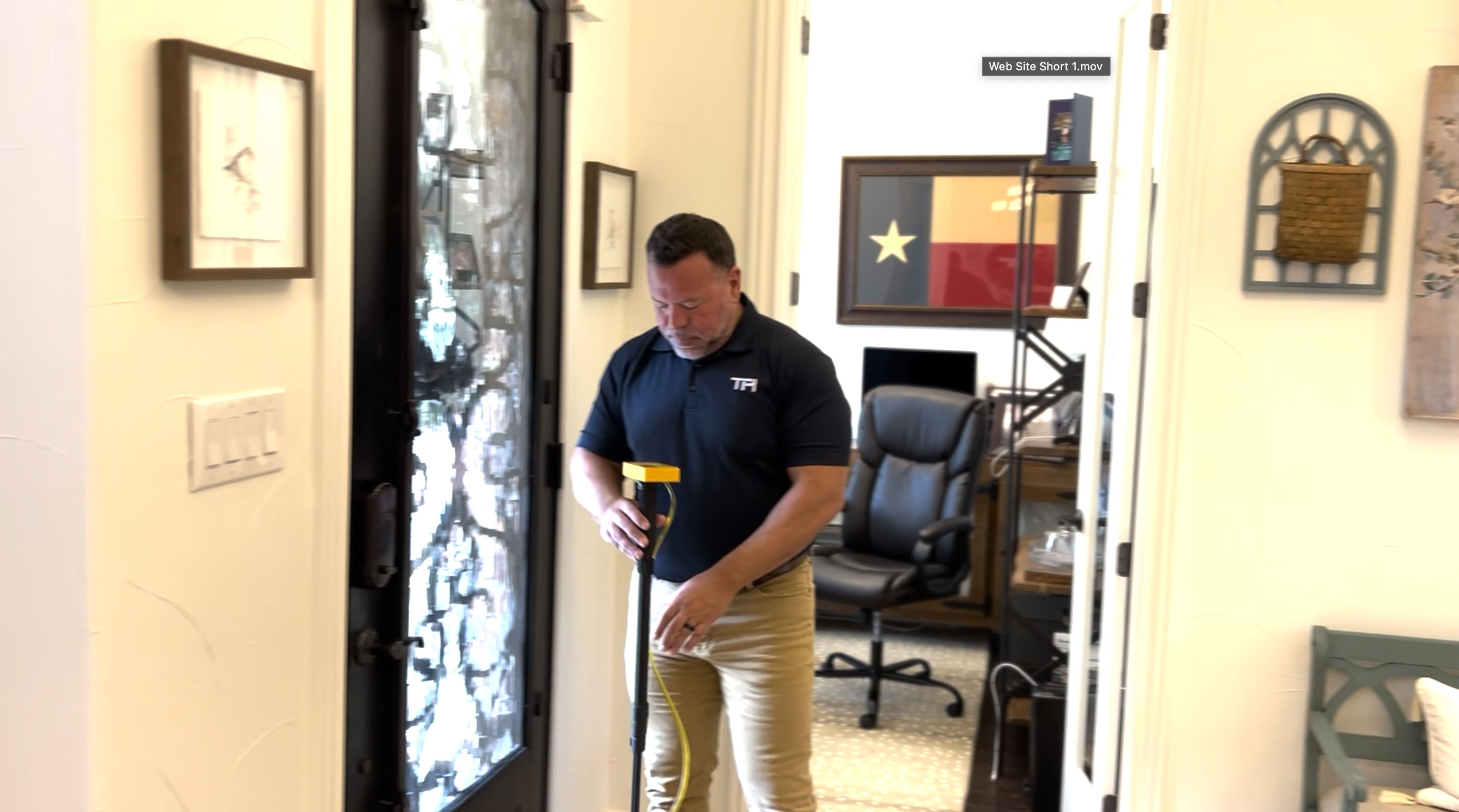
Visual Inspection: The foundation of every inspection. Inspectors look carefully for signs of damage or wear.Precision Altimeters: Used to get detailed elevation reading of slab foundation for an accurate performance opinion.Moisture Meters: These detect moisture levels in walls and floors, helping identify leaks or water damage.Thermal Imaging Cameras: These cameras reveal temperature differences, which can indicate insulation issues, electrical faults, or hidden moisture.Electrical Testers: Used to check outlets, breakers, and wiring safety.Gas Detectors: These ensure there are no dangerous gas leaks.Ladders and Binoculars: To safely inspect roofs and other hard-to-reach areas.
Each tool adds a layer of detail to the inspection, making sure nothing important is missed.
How to Prepare for Your Inspection
Preparation can make the inspection process smoother and more effective. Here are some tips I’ve found helpful:
Clear Access: Make sure all areas, including attics and crawl spaces, are accessible.Turn On Utilities: Water, electricity, and gas should be on so systems can be tested.List Your Concerns: Write down any specific issues you want the inspector to focus on.Be Present if Possible: Walking through the inspection with the inspector can be very informative.Keep Pets Secured: This helps the inspector work safely and without distractions.
By preparing ahead, you help the inspector do their best work and get the most accurate report.
What to Do After Receiving Your Inspection Report
Once you have the inspection report in hand, the next steps are crucial. The report is your roadmap for understanding the property’s condition and planning any necessary repairs or negotiations.
Review the Report Carefully: Take your time to read through the findings and look at the photos.Prioritize Issues: Not all problems are urgent. Identify which need immediate attention and which can wait.Get Repair Estimates: For significant issues, consider getting quotes from contractors.Discuss with Your Agent or Inspector: If you’re buying or selling, talk about how the report affects your negotiations.Plan Maintenance: Use the report to schedule regular upkeep and avoid future problems.
Remember, the inspection report is a tool to protect your investment and peace of mind.
Why Choose Texas Professional Inspections?
Choosing the right inspection company makes all the difference. Texas Professional Inspections aims to be the go-to expert for all types of property inspections in Central Texas. Their commitment to thoroughness and clarity sets a new standard in the industry.
I’ve seen firsthand how their detailed reports and friendly approach help clients feel confident. Whether it’s a residential home or a commercial property, they bring expertise and care to every inspection.
If you want to learn more or schedule an inspection, check out tpi inspections for reliable service you can trust.
Taking the Next Step with Confidence
Understanding the process behind TPI inspections removes the mystery and helps you feel empowered. From scheduling to the final report, every step is designed to give you clear, actionable information.
When you know what to expect, you can approach property decisions with confidence. Whether you’re buying, selling, or maintaining, a thorough inspection is your best tool for protecting your investment.
So, are you ready to take the next step? With the right knowledge and a trusted inspection partner, you’re well on your way to making smart, informed property choices.
Leave a Reply