
When it comes to buying or maintaining a property, safety and thoroughness are top priorities. Whether you’re stepping into a new home, managing a commercial space, or simply ensuring your current property is in good shape, professional inspections are essential. I want to share what I’ve learned about Texas Professional Inspections and how they can help you feel confident about your property’s condition.
Why Texas Property Safety Matters
Safety is more than just a buzzword; it’s the foundation of peace of mind. Properties, whether residential or commercial, face wear and tear, weather challenges, and sometimes hidden issues that only a trained eye can spot. That’s why inspections are so important.
Think about it: a small leak in the roof or faulty wiring might not be obvious at first glance. But left unchecked, these problems can lead to costly repairs or even dangerous situations. Regular inspections help catch these issues early.
Here are some key reasons why property safety should be a priority:
- Protect your investment: A property is often the largest investment you’ll make. Inspections help preserve its value.
- Prevent accidents: Identifying hazards like mold, structural weaknesses, or electrical faults keeps everyone safe.
- Plan maintenance wisely: Knowing what needs attention allows you to budget and schedule repairs effectively.
- Negotiate with confidence: For buyers, inspection reports provide leverage and clarity during negotiations.
By focusing on safety, you’re not just protecting a building—you’re protecting your future.
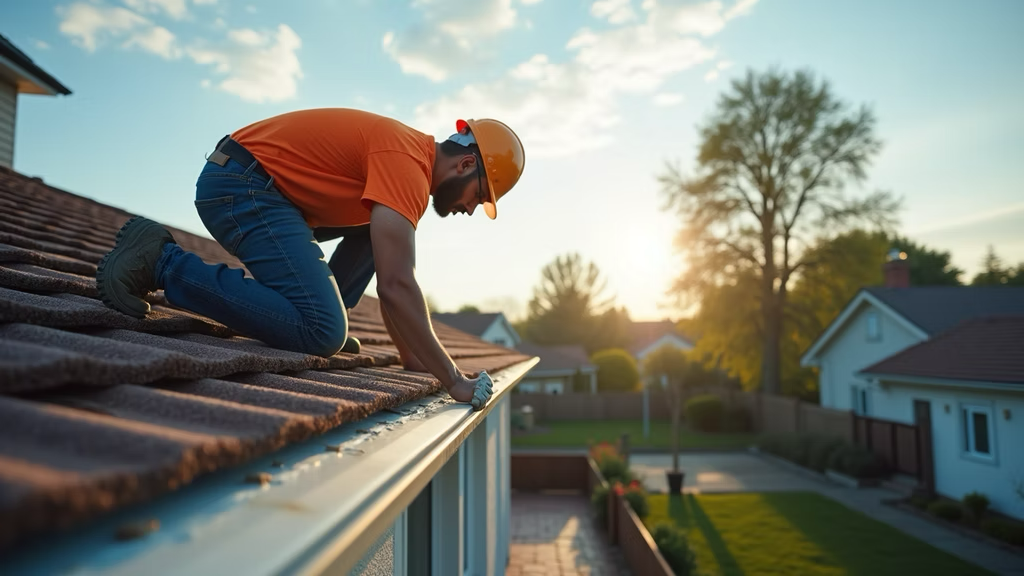
Roof inspection for property safety
Understanding the Scope of Texas Property Safety Inspections
Texas property safety inspections cover a wide range of areas, tailored to the type of property and its use. Here’s a breakdown of what you can expect from a thorough inspection:
Residential Inspections
For homes, inspectors examine:
- Structural components: Foundation, walls, ceilings, and floors.
- Roofing: Condition of shingles, gutters, and drainage.
- Electrical systems: Wiring, outlets, and panels.
- Plumbing: Pipes, fixtures, and water heaters.
- HVAC systems: Heating, ventilation, and air conditioning.
- Interior and exterior: Doors, windows, insulation, and siding.
- Safety features: Smoke detectors, carbon monoxide alarms, and fire extinguishers.
Commercial Inspections
Commercial properties often require a more detailed approach, including:
- Building code compliance: Ensuring the property meets local regulations.
- Fire safety systems: Sprinklers, alarms, and emergency exits.
- Accessibility: Compliance with ADA standards.
- Mechanical systems: Elevators, boilers, and specialized equipment.
- Environmental hazards: Asbestos, lead paint, or mold.
Specialized Inspections
Sometimes, you might need additional inspections such as:
- Pest inspections: Termites and other wood-destroying insects.
- Radon testing: Checking for harmful gas levels.
- Energy audits: Assessing energy efficiency and insulation.
Each inspection type plays a role in creating a complete picture of your property’s health.
How to Choose the Right Inspection Service
Choosing the right inspection service can feel overwhelming, but it doesn’t have to be. Here are some tips to help you find a trustworthy and thorough inspector:
- Look for experience and certification: Make sure the inspector is licensed and has a solid track record.
- Check reviews and references: Past clients’ experiences can tell you a lot.
- Ask about the inspection process: A good inspector will explain what they check and why.
- Request sample reports: Clear, detailed reports are a sign of professionalism.
- Consider local expertise: Inspectors familiar with Central Texas understand regional issues better.
I recommend reaching out to texas inspection professionals for a reliable and comprehensive inspection experience. Their team is known for setting a new standard in thoroughness and clarity.
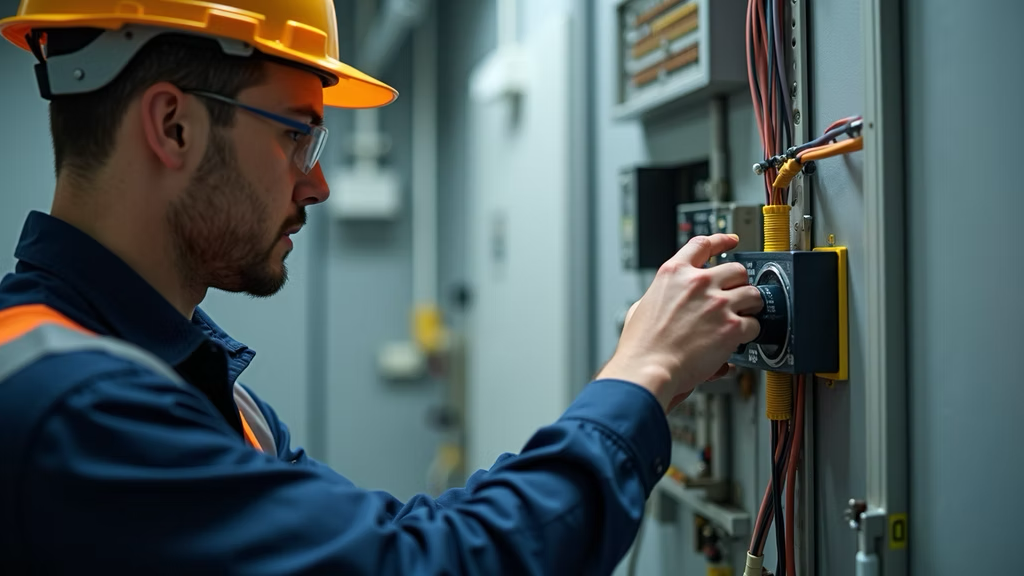
Electrical system inspection in a commercial property
What to Expect During an Inspection
Knowing what happens during an inspection can ease any anxiety and help you prepare. Here’s a typical flow:
- Scheduling: You’ll agree on a date and time that works for everyone.
- Walkthrough: The inspector tours the property, checking all key areas.
- Testing: They may test systems like HVAC, plumbing, and electrical.
- Documentation: Photos and notes are taken to support findings.
- Report preparation: A detailed report is created, often within 24-48 hours.
- Review session: Some inspectors offer a follow-up call or meeting to explain the report.
During the inspection, feel free to ask questions. It’s your chance to learn about your property’s condition and what to watch for in the future.
Taking Action After Your Inspection
Once you have your inspection report, what’s next? Here’s how to make the most of it:
- Review carefully: Look at each item and understand its impact.
- Prioritize repairs: Address safety hazards immediately, then plan for maintenance.
- Get estimates: For major repairs, get quotes from trusted contractors.
- Negotiate if buying: Use the report to discuss repairs or price adjustments.
- Schedule follow-ups: Plan future inspections or specialized tests as needed.
Remember, inspections are not about finding faults to scare you. They’re about empowering you with knowledge so you can make smart decisions.
Building Confidence with Texas Professional Inspections
Choosing the right inspection partner makes all the difference. With texas inspection professionals, you get more than just a checklist. You get a team dedicated to clear communication, thoroughness, and your peace of mind.
Whether it’s a cozy home or a bustling commercial space, their expertise helps you protect what matters most. So, when you’re ready to take the next step in property safety, consider reaching out to the experts who understand Central Texas inside and out.
Your property deserves the best care, and you deserve the confidence that comes with it. Why settle for less when you can have the best?
I hope this overview helps you feel more comfortable and informed about professional inspections in Texas. Remember, safety is a journey, and every step you take brings you closer to a secure and well-maintained property.
Leave a Reply